
The fundamental difference between a yoga block and a yoga wheel lies in their primary function: a yoga block offers stable support and extension, while a yoga wheel specializes in deep backbends, chest opening, and spinal mobility.
Navigating the world of yoga props can be both exciting and a little overwhelming, especially when trying to understand the nuanced utility of tools like the yoga block and the yoga wheel. Many practitioners, from beginners to seasoned yogis, often ask: Yoga Block vs Yoga Wheel: What’s the Difference? Understanding these distinctions is crucial for enhancing your practice, preventing injury, and unlocking new levels of flexibility and strength.
This comprehensive guide will meticulously break down each prop, exploring their unique designs, benefits, and ideal applications. By the end, you’ll gain a crystal-clear understanding of when to reach for a stable block versus a dynamic wheel, empowering you to make informed choices that elevate your personal yoga journey and deepen your connection to each pose.
Unpacking the Fundamentals: What Exactly is a Yoga Block?
The humble yoga block is arguably one of the most ubiquitous and versatile props found in any yoga studio or home practice space. Typically rectangular and made from foam, cork, or wood, these solid supports are designed to offer stability, elevation, and extension, making challenging poses more accessible and comfortable.
For many, the yoga block serves as an invaluable tool for bridging the gap between their current flexibility and the ideal form of a pose. Whether you’re a beginner struggling to touch the floor in a standing forward bend or an experienced yogi seeking deeper alignment in a seated twist, a block can provide the necessary support. Its firm structure allows practitioners to maintain proper form without overstraining.
Key Benefits of Incorporating a Yoga Block
- Enhanced Support and Stability: Blocks provide a stable base, allowing you to balance more easily in poses like Half Moon or extended side angle. This significantly reduces the risk of wobbling or falling.
- Increased Reach and Extension: If your hamstrings are tight, placing blocks under your hands in poses like intense side stretch or pyramid pose brings the floor closer, allowing for a straighter spine and safer stretch.
- Deeper Stretches and Release: Used under the hips in restorative poses like supported bridge or bound angle, blocks can facilitate a gentle, sustained opening in the hips and chest.
- Improved Alignment: Placing a block between the thighs in poses like downward dog or chair pose can activate inner thigh muscles, improving overall alignment and core engagement.
- Accessibility for All Levels: Blocks democratize yoga, making advanced poses approachable for beginners and allowing experienced practitioners to refine their alignment and explore variations.
Potential Downsides of Yoga Blocks
While incredibly beneficial, yoga blocks do have limitations. Their rigid nature means they aren’t designed for dynamic movements or deep spinal articulation like backbends. Over-reliance on blocks without working towards natural flexibility can also sometimes hinder progress if not balanced with mindful practice.
Decoding the Yoga Wheel: A Deeper Dive into its Design and Purpose
In contrast to the block’s steadfast solidity, the yoga wheel is a more recent innovation, gaining immense popularity for its unique circular design and transformative capabilities. Typically a hollow, sturdy ring made from ABS plastic with a comfortable cork or TPE foam outer layer, the wheel is engineered to contour to the natural curve of the spine, offering unparalleled support for backbends and opening the front body.
The yoga wheel isn’t just for advanced practitioners; it’s a powerful tool for anyone looking to safely explore greater spinal flexibility, chest opening, and even inversions. Its rolling nature encourages a fluid movement, helping to release tension along the spine and increase range of motion in a way that static props cannot.
Transformative Advantages of Using a Yoga Wheel
- Unlocking Deeper Backbends: This is arguably the wheel’s most celebrated benefit. It provides incredible support for the spine, allowing you to lean back into deeper, more comfortable backbends, gradually increasing flexibility.
- Exceptional Chest and Shoulder Opening: Rolling over the wheel deeply opens the chest, shoulders, and hip flexors, counteracting the effects of prolonged sitting and poor posture.
- Enhanced Core Strength and Balance: Balancing on the wheel, especially in poses like supported handstands or forearm stands, significantly challenges and strengthens your core musculature.
- Safe Inversion Practice: The wheel can provide a secure base for exploring inversions, offering support for the neck and shoulders, making poses like headstand or handstand more accessible.
- Massage and Spinal Decompression: The gentle pressure and rolling action of the wheel can provide a therapeutic massage for the spine, releasing tension and promoting decompression.
Considerations and Challenges with Yoga Wheels
While revolutionary, the yoga wheel does present a steeper learning curve than a block. Its unstable, rolling nature can initially feel daunting, requiring more core engagement and body awareness. It’s also less suitable for basic support or extending reach in many fundamental poses where a block excels. For instance, you wouldn’t typically use a wheel to bring the floor closer in a standing forward fold.
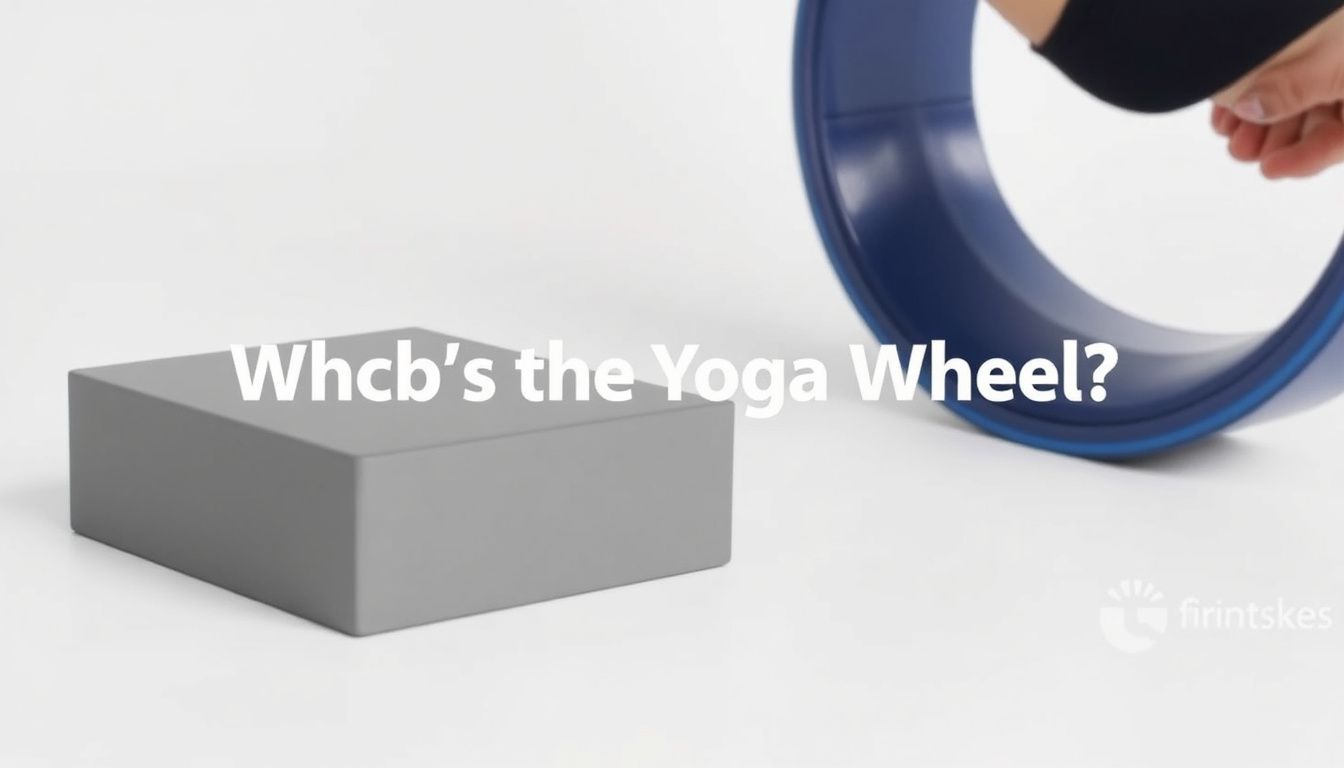
Yoga Block vs Yoga Wheel: A Side-by-Side Comparison of Functionality and Flexibility
Understanding the distinct roles of these two powerful yoga props is key to maximizing your practice. While both aim to enhance your yoga journey, their methods and primary benefits differ significantly. Let’s delve into a direct comparison to highlight exactly what’s the difference when considering a yoga block vs yoga wheel.
| Aspect | Yoga Block | Yoga Wheel |
|---|---|---|
| Primary Function | Provides stable support, elevation, and extension. | Facilitates deep backbends, chest opening, and spinal mobility. |
| Shape & Material | Rectangular; foam, cork, or wood. Solid and unyielding. | Circular; ABS plastic core with TPE/cork padding. Hollow and rolling. |
| Stability Level | High – designed for grounding and firm support. | Low to Moderate – designed for dynamic movement and balancing. |
| Targeted Areas | Hamstrings, hips, arms, hands – for reach and alignment. | Spine, chest, shoulders, hip flexors – for deep opening and flexibility. |
| Ideal Users | Beginners, those with limited flexibility, anyone seeking alignment. | Intermediate to advanced practitioners, those focusing on backbends. |
| Versatility | Extremely versatile for a wide range of poses, both active and restorative. | Specialized for specific deep stretches, backbends, and balance challenges. |
As you can see, while both are invaluable yoga accessories, their design dictates vastly different applications. A block is your steadfast companion for foundational support, whereas a wheel is your dynamic partner for unlocking deeper, more fluid movements.
Choosing Your Perfect Prop: When to Reach for a Yoga Block vs Yoga Wheel
Deciding which prop to use often comes down to your current practice level, your physical goals, and the specific pose you are attempting. There isn’t a single “better” prop; rather, there’s the right prop for the right moment.
When the Yoga Block Shines
Reach for a yoga block when you need solid grounding, assistance with balance, or to extend your reach. For instance, if you’re working on triangle pose and can’t comfortably touch the floor, placing a block under your hand maintains a long spine. In seated forward folds, a block under the hips can tilt the pelvis forward, making the stretch more accessible and safer for the lower back. They are also fantastic for restorative practices, offering gentle support in poses like supported fish or child’s pose.
Beginners will find blocks indispensable for building a strong foundation, preventing overstretching, and understanding proper alignment. Even advanced practitioners use blocks to deepen poses, explore variations, or refine subtle shifts in their weight distribution and engagement. They are truly the workhorses of the yoga prop world.
When the Yoga Wheel Transforms Your Practice
The yoga wheel comes into its own when your intention is to open the front of the body, deepen backbends, or challenge your balance in new ways. If you dream of achieving full wheel pose or want to improve your spinal flexibility, the wheel is your go-to. It provides a safe, supportive curve that allows your spine to extend naturally, rather than forcing it.
Moreover, the wheel is excellent for counteracting the effects of hunching over desks or phones. Rolling over it can release tension in the upper back and shoulders, promoting better posture. For those looking to integrate more playful elements into their practice or explore advanced inversions with greater confidence, the wheel offers a dynamic and engaging experience. When asking about Yoga Block vs Yoga Wheel: What’s the Difference? for backbending, the wheel is the clear winner.

Maximizing Your Practice: Innovative Ways to Integrate Both Props
The true magic often happens when you understand how to use both a yoga block and a yoga wheel synergistically. These props aren’t mutually exclusive; they can complement each other beautifully, opening up a wider range of possibilities in your practice.
Creative Combinations for Enhanced Practice
- Supported Backbends with Blocks and Wheel: Place a yoga block against a wall or under your sacrum for added stability while using the wheel to deepen your chest and shoulder opening in a supported bridge or camel pose variation. The block acts as an anchor, allowing you to relax into the wheel’s curve more effectively.
- Advanced Inversion Prep: Use blocks under your hands in forearm stand or handstand practice to create more height and challenge balance, while the wheel supports your lower back or legs for a safer entry and exit. This combination builds strength and confidence simultaneously.
- Deep Hip Opening: In a pose like pigeon, a block can support the hip of your bent leg, while the wheel can be placed under your chest or forehead for a more restorative, supported forward fold. This allows for a gentle release without straining.
- Restorative Spinal Release: Lie on your back with the wheel under your mid-back, allowing your spine to drape over it. Then, place a block under your head for neck support, and another under each hand to elevate your arms, promoting full chest and shoulder relaxation.
By understanding the unique properties of each prop, you can strategically combine them to create personalized modifications and challenges. This approach not only enhances flexibility and strength but also fosters a deeper, more intuitive connection with your body’s capabilities.
Frequently Asked Questions
What is the main purpose of a yoga block?
A yoga block’s main purpose is to provide stable support, elevate the body, and extend reach in various yoga poses, making them more accessible and helping practitioners maintain proper alignment without strain.
What is a yoga wheel primarily used for?
A yoga wheel is primarily used for deepening backbends, opening the chest and shoulders, and improving spinal flexibility. Its circular shape contours to the spine, offering unique support for these movements.
Can beginners use a yoga wheel?
Yes, beginners can use a yoga wheel, but often with more caution and guidance. While it can aid in flexibility, its unstable nature means it requires more body awareness and core engagement compared to a block.
Is a yoga block or a yoga wheel better for tight hamstrings?
For tight hamstrings, a yoga block is generally more effective. It allows you to bring the floor closer to your hands in forward folds, enabling you to maintain a straight spine and get a safer, more effective hamstring stretch.
Can I use both a yoga block and a yoga wheel in the same practice?
Absolutely! Using both props can create a more comprehensive and supportive practice. For example, you might use a block for stability in a standing pose and then transition to the wheel for a deep backbend or chest opener.
Do I need both a yoga block and a yoga wheel?
While not strictly necessary, owning both a yoga block and a yoga wheel will significantly expand the range of poses you can explore and the benefits you can achieve. Each prop serves distinct yet complementary functions in a well-rounded yoga practice.
Final Thoughts on Yoga Block vs Yoga Wheel: What’s the Difference?
Ultimately, the choice between a yoga block vs yoga wheel boils down to understanding their distinct functionalities and how they align with your personal practice goals. The yoga block is an essential, foundational tool, providing unwavering support, extending your reach, and promoting proper alignment across a vast array of poses. It’s your steadfast companion for accessibility and stability, making yoga welcoming for every body and every level.
Conversely, the yoga wheel is a specialized instrument designed to unlock profound spinal flexibility, deep backbends, and expansive chest opening. It encourages dynamic movement and challenges balance in exhilarating ways, pushing the boundaries of your practice. Consider your current needs and aspirations, and don’t hesitate to experiment; incorporating both a block and a wheel into your routine can truly revolutionize your yoga journey, empowering you to explore new depths of strength, flexibility, and self-discovery.