
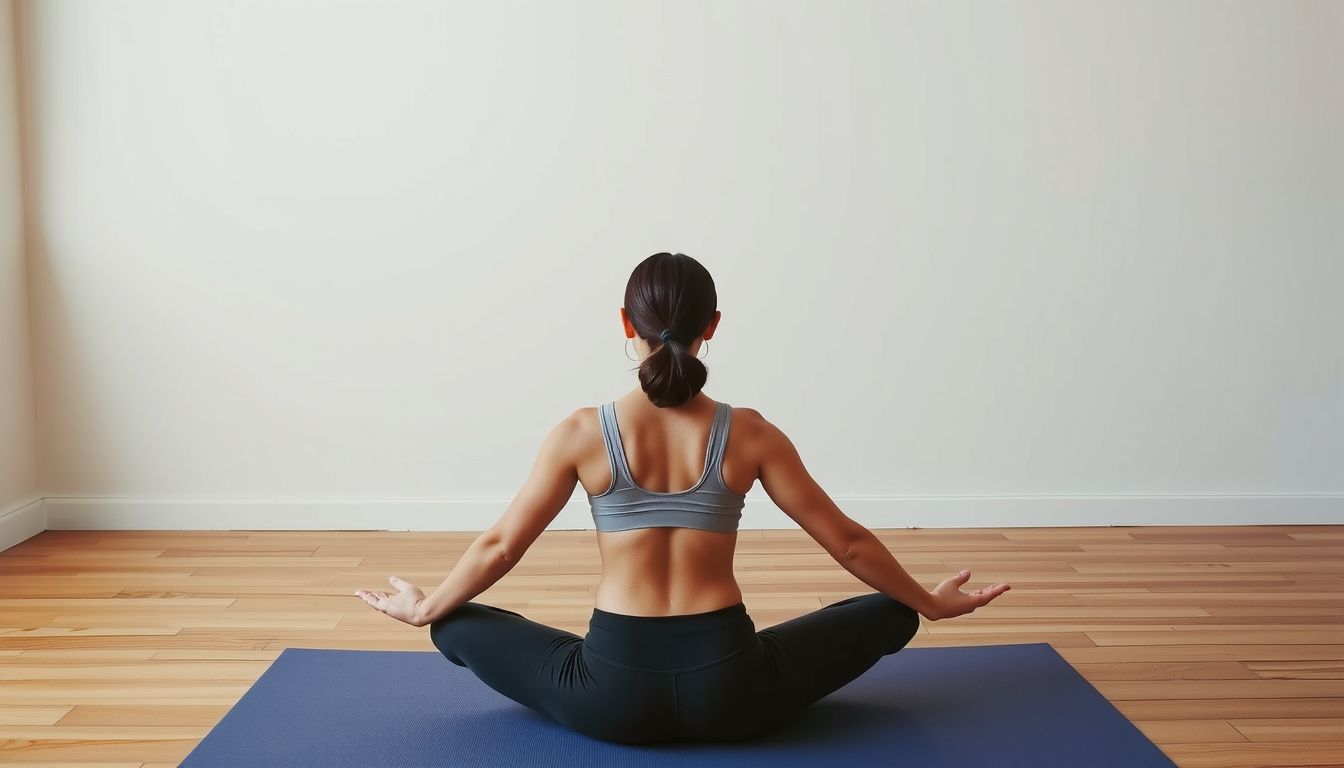
How many yoga poses are there? This question first crossed my mind as I flipped through yoga books, noticing pose names that never appeared in my beginner classes. Over years of personal practice and study, I’ve realized the answer is both straightforward and infinitely complex.
If you’re new to yoga, or just curious, I’ll share what I’ve learned about counting poses, why the numbers matter, and how this variety shapes your own practice. Ready to unravel the numbers and nuances behind yoga postures? Let’s get started—and maybe inspire your next session on the mat.
Why I Started Asking: How Many Yoga Poses Are There?
My curiosity about the total number of yoga poses began with confusion. Every class, teacher, and book seemed to introduce new asanas. Some claimed there were 84, others spoke of hundreds.
I wanted clarity. Was there a definitive list? Or was yoga more open-ended?
As I explored different styles—Hatha, Vinyasa, Iyengar—I realized that each tradition offered its own set of “core” poses, but individual teachers often added creative variations. The more I practiced, the clearer it became: the answer isn’t just a number—it’s a reflection of yoga’s adaptability and growth. This search led me to study both tradition and innovation in yoga.
What Defines a Yoga Pose in My Experience
Defining a yoga pose, or asana, can get surprisingly philosophical. For me, a pose isn’t just a shape—it’s a combination of posture, intention, and breath. Some traditions consider subtle variations as entirely new poses; others stick to classical forms.
I’ve found that a pose generally has these qualities:
- Distinct body alignment (e.g., Warrior II vs. Warrior I)
- Purposeful engagement of muscles and breath
- Recognized name or tradition behind its practice
This definition helps me decide what’s a true pose and what’s just a variation, though even experts debate these lines.
Traditional Yoga Systems and Their Pose Counts
Historically, the number of yoga poses was much smaller than today. Classic texts like the Hatha Yoga Pradipika mention just 15 postures. The number 84 has become legendary—some say it’s symbolic, representing infinite possibilities, while others believe certain schools had fixed lists of 84 poses.
Here’s a quick breakdown:
- Hatha Yoga Pradipika: 15 poses
- Gheranda Samhita: 32 poses
- Modern Hatha (Krishnamacharya lineage): Over 100 documented
The “84” is more myth than manual, but it’s a number you’ll see referenced repeatedly in yoga culture.
Modern Yoga and the Expansion of Asanas
Today’s yoga scene is a creative explosion. Modern teachers and practitioners have cataloged hundreds—if not thousands—of yoga poses. New styles like Power Yoga, Yin, and Restorative have introduced fresh twists and entirely new shapes.
For example, in my own practice, I’ve encountered poses like Wild Thing and Fallen Angel—nowhere in ancient texts, but popular in contemporary classes. Online databases and books such as “Light on Yoga” describe over 200 poses, with detailed variations for each.
The modern approach makes yoga accessible to everyone, yet it also means the list of possible poses is always expanding.
Breaking Down the Main Types of Yoga Poses
Most yoga poses fall into clear categories, regardless of tradition. Knowing these helps me structure my own sequences and understand which muscles and systems I’m targeting.
- Standing Poses: Build strength and stability (e.g., Tree, Warrior)
- Seated Poses: Improve flexibility and focus (e.g., Lotus, Staff)
- Backbends: Open the chest and energize (e.g., Cobra, Wheel)
- Forward Bends: Calm the mind and stretch the back (e.g., Seated Forward Fold)
- Balances: Develop focus and coordination (e.g., Crow, Dancer)
- Inversions: Boost circulation and perspective (e.g., Shoulderstand, Headstand)
- Twists: Aid digestion and spinal mobility (e.g., Revolved Triangle)
Each type offers unique benefits and challenges, shaping how I choose poses for daily practice.
The Most Common Yoga Poses I Practice
Through years of classes and home routines, I’ve noticed a core group of poses that show up everywhere. These are accessible, safe, and form the backbone of most practices:
- Downward-Facing Dog (Adho Mukha Svanasana)
- Child’s Pose (Balasana)
- Mountain Pose (Tadasana)
- Cobra (Bhujangasana)
- Bridge (Setu Bandhasana)
- Triangle (Trikonasana)
- Warrior I & II (Virabhadrasana I & II)
For example, I almost always start my day with Downward Dog—it energizes my body and clears my mind for what’s ahead. These poses are universal entry points, no matter your style or level.
Rare and Advanced Poses I’ve Encountered
Occasionally, I’ve ventured into advanced classes where rare poses come into play. These can require years of preparation, deep focus, and sometimes a bit of courage.
- Scorpion (Vrschikasana): A dramatic forearm balance with a deep backbend
- Peacock (Mayurasana): Balancing the body horizontally on the hands
- One-Legged King Pigeon II (Eka Pada Rajakapotasana II): An intense hip opener and backbend
These postures aren’t for everyone, but they demonstrate how yoga can always push my boundaries, both physically and mentally.
Can Anyone Master All the Yoga Poses?
I’ve often wondered if it’s possible to master every yoga pose, especially as the list keeps growing. Realistically, most people—even experienced teachers—focus on a few dozen poses tailored to their needs and interests.
Factors like anatomy, age, injuries, and time limit how far we can go. I know some advanced poses simply aren’t accessible for me, and that’s perfectly normal. Yoga isn’t about checking off a list—it’s about exploring your personal edge with curiosity and respect.
Progress is about depth, not breadth. Mastery comes from understanding and embodying the poses that serve you best.
My Reflections on Exploring Infinite Yoga Postures
As I continue my yoga journey, I see the vast number of poses as both a challenge and a creative invitation. Each new shape invites me to learn more about my body and mind.
Rather than chasing every new posture, I focus on refining the ones that resonate most. Sometimes, I’ll try an unusual pose just for fun, but my real progress comes from mindful repetition of the basics.
The sheer variety of yoga poses reminds me that yoga is ultimately about discovery—of movement, breath, and self.
The Bottom Line
If you’re still wondering how many yoga poses are there, the answer reflects yoga’s living, evolving nature. Traditional sources cite dozens, while modern lists number in the hundreds or more. What matters most is choosing the poses that support your goals, curiosity, and wellbeing.
My advice? Start with the basics, explore new shapes as your confidence grows, and remember that yoga’s diversity is its greatest gift. Whether you master ten poses or a hundred, each one offers its own lesson.
Stay curious—your mat is a world of possibility.