
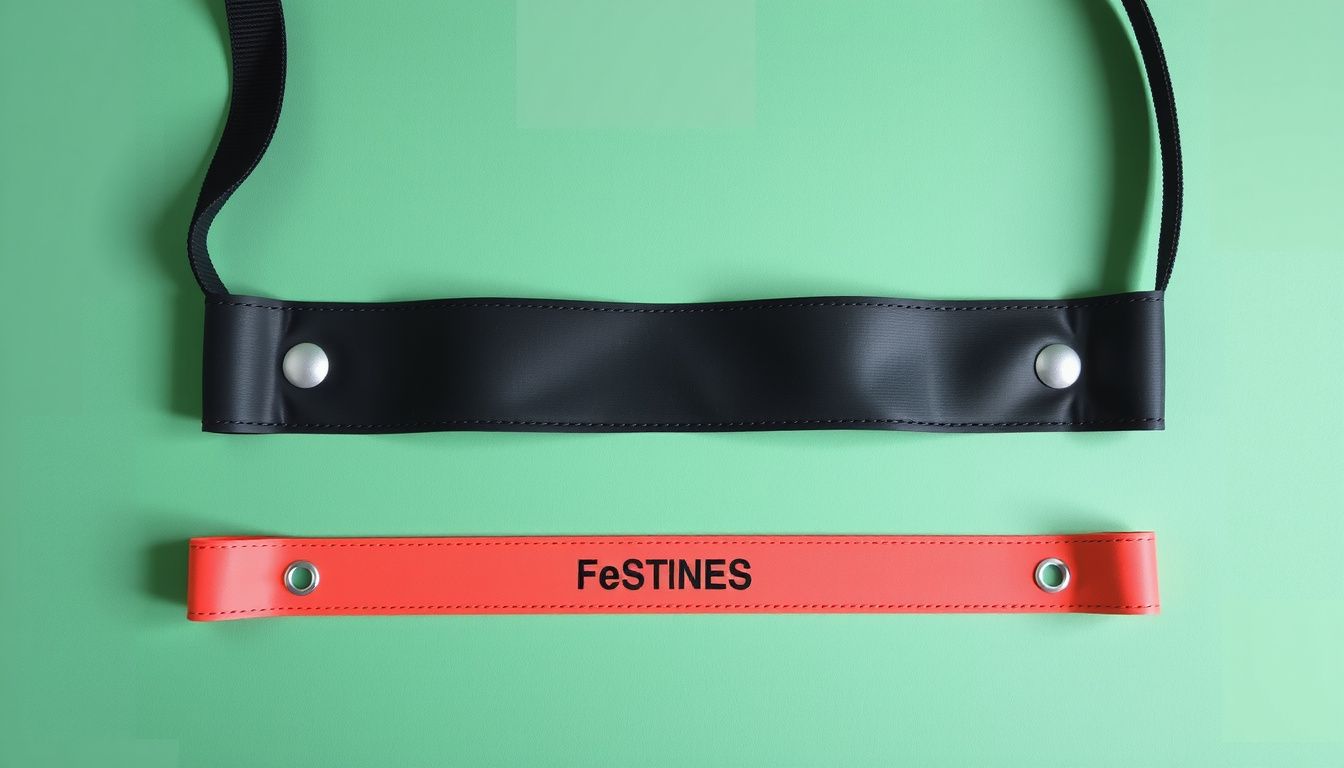
Does does resistance bands work really hold up, or is it just a lightweight fitness trend? I get why you’d ask—bands look simple, and simple gear can feel “too easy” to matter.
Here’s the context: resistance bands create tension through a range of motion, which can challenge muscles in a way that’s different from dumbbells. I’ve used them for years in home workouts, travel sessions, and as warm-ups before heavier lifts, and I’ve seen real strength and muscle gains when the setup and progression are done right.
Look, a practical example: if you anchor a band at chest height and do 3 sets of 10–15 standing rows, you’ll feel your upper back light up fast—especially when you slow the return and keep your elbows tight. That “burn” isn’t magic; it’s your muscles working against increasing tension.
In the next sections, I’ll break down when bands shine, when they fall short, and how to choose and use them so you actually progress. If you want a simple plan, start with these band-friendly moves:
- Squats (under feet, band over shoulders)
- Rows (anchored to a door or post)
- Presses (anchored behind you)
Stick with me, and you’ll know exactly how to make bands work for your goals—without guessing.
What I Mean When I Ask: Does Resistance Bands Work?
Now, when I ask does resistance bands work, I’m not asking if bands “burn” in the moment. I’m asking if they can reliably drive measurable results: strength gains, muscle growth, better joint control, and improved movement quality.
In my experience, resistance bands work when three conditions are met: you can create enough tension, you can progress that tension over time, and you can execute reps with solid technique. If any one of those breaks, results stall fast.
I judge effectiveness by outcomes you can track, not hype. Look for:
- Progressive overload (heavier band, more stretch, more reps, slower tempo)
- Proximity to failure (last reps slow down without form collapsing)
- Consistency (2–4 sessions/week for the same muscle group)
Practical example: if your banded row starts at 3 sets of 10 and, four weeks later, you’re at 3 sets of 15 with a thicker band and a 2-second squeeze, that’s real progress. That’s “working.”
How Resistance Bands Create Muscle Tension (and Why That Matters)
Resistance bands create tension through elastic resistance: the more you stretch the band, the more it fights back. That rising resistance curve is the big difference versus dumbbells, which stay relatively consistent through the range.
Done right, that “harder at the end” feel can be a strength-builder. It often matches where your joints are strongest, letting you load the top portion safely—great for rows, presses, and glute work.
To make band tension actually stimulate muscle, I focus on three levers:
- Band selection: choose a band that makes 8–20 reps challenging
- Anchor and angle: change where the band pulls to target the muscle line-of-pull
- Range and tempo: full range with a controlled eccentric (2–4 seconds down)
Practical example: for banded squats, I’ll stand on the band and loop it over my shoulders. If the top feels easy, I widen my stance on the band or switch to a thicker one so the last 3 reps demand real effort without my knees caving in.
What Results I’ve Personally Seen: Strength, Muscle, and Endurance
Now, once I moved past the “will this feel challenging?” stage, I started tracking what actually changed in my training. In my experience, does resistance bands work depends on the result you care about—and how consistently you load the movement.

For strength, I’ve seen the clearest progress in joint-friendly patterns like rows, presses, and split squats. Bands let me push hard without the same wear on my elbows and shoulders, so I can train those patterns more often.
For muscle, bands have worked best for higher-rep sets and long time-under-tension. I notice the biggest “growth” response when I treat bands like bodybuilding tools: controlled reps, short rests, and stopping 1–2 reps shy of failure.
Endurance is where bands shine fast. A 10–15 minute finisher can spike my heart rate and build local muscular stamina.
Practical example: on travel weeks, I’ll do 4 rounds of banded push-ups (12–20 reps), seated rows (15–25), and banded RDLs (15–25) with 45 seconds rest. My chest and back stay “trained,” and my conditioning doesn’t slide.
- Strength: better repetition strength in safe ranges
- Muscle: best with slower tempo and near-failure sets
- Endurance: rapid improvements with circuits
Resistance Bands vs Weights: Where Bands Win and Where They Don’t
Look, I use both. When clients ask me to pick one, I usually won’t—because bands and weights solve different problems in a program.
Where bands win is convenience and joint management. They’re portable, quiet, and easy to scale with stance, grip width, or doubling the band. They also create a strong peak contraction, which I like for glutes, upper back, and arms.
Where they don’t win is objective load tracking and heavy strength work. It’s harder to know if you truly progressed from week to week, and bands can feel “easy” at the bottom and brutally hard at the top, which doesn’t fit every lift.
If you’re chasing maximal strength, barbells and machines usually outperform. If you’re chasing consistency, volume, and training anywhere, bands are hard to beat.
- Bands win: portability, joint-friendly volume, peak contraction
- Weights win: precise progression, heavy loading, stable resistance
- Best approach: bands for accessories; weights for main lifts
Who Resistance Bands Work Best For (and When I Wouldn’t Rely on Them)
So, who actually gets the most out of bands? In my experience, does resistance bands work is an easy “yes” for people who need effective training with limited space, time, or equipment.
Bands work best when your goal is consistent, joint-friendly resistance and you’re willing to train close to fatigue. I like them for building muscle endurance, improving movement quality, and keeping strength work going during travel or busy weeks.
I recommend bands for:
- Beginners learning form (squats, rows, presses) with lower joint stress
- Home exercisers who can’t store a barbell or dumbbells
- Rehab/prehab and warm-ups (glute activation, rotator cuff work)
- People who need low-impact strength work (knee or shoulder sensitivity)
Now, when wouldn’t I rely on them? If you’re chasing maximal strength numbers, need precise loading (e.g., exact 5-pound jumps), or you’re doing heavy lower-body strength work where stability is the limiter, free weights usually win. I also hesitate if you can’t anchor bands safely—poor setup turns a good tool into a risk.
How I Use Resistance Bands for Progressive Overload and Real Progress
Real progress with bands isn’t about random burnouts. I treat them like any other resistance tool: I track effort, reps, and band tension, then progress one variable at a time.
Here’s how I build progressive overload with bands:

- Increase tension: move to a thicker band or shorten the band by stepping wider
- Add reps: stay in a target range (say 8–20) and push toward the top
- Add sets: go from 2 to 3–4 hard sets for key moves
- Improve leverage: change angle/stance to make the start harder, not just the lockout
Practical example: for banded rows, I’ll start with 3 sets of 12, stopping with 2 reps in reserve. Next week, I aim for 3×15. Once I hit 3×20 cleanly, I switch to a stronger band and drop back to 3×10–12.
I also control tempo. A 2–3 second lowering phase and a hard squeeze at peak contraction make band training far more measurable and productive.
My Practical Resistance Band Routine, Mistakes I Avoid, and Next Steps
Now, here’s how I make bands work in the real world without overthinking it. I run this routine 3 days per week, 25–35 minutes, and I track reps like I would with weights.
My go-to session looks like this:
- Squat to press: 3 sets of 10–15
- Standing row (anchor at door): 3 sets of 12–20
- RDL (band under feet): 3 sets of 10–15
- Chest press (anchor): 3 sets of 12–20
- Pallof press: 2–3 sets of 10–12/side
Real example: when I travel, I loop a band around a sturdy hotel door hinge and do rows and presses between meetings. I aim for the last 3 reps to feel slow and gritty, then I stop with 1–2 reps in reserve.
Watch out: don’t let the band go slack at the easiest point, or you lose tension and the set turns into “movement practice.” Next step: add 2 reps per set, then move to a thicker band or step farther from the anchor.
Now that you’ve seen how I approach training with bands, the next step is clearing up the last “but what about…” questions people ask before they commit.
People Also Ask
Does resistance bands work for building muscle, or is it just toning?
Yes—does resistance bands work for muscle growth when you train close to failure and progress over time. Pick a band that makes the last 3–5 reps grindy, keep form strict, and track reps or tension weekly. “Toning” is just muscle plus lower body fat.
Are resistance bands enough if I can’t go to the gym?
For general strength and physique goals, bands can be enough if you cover key patterns: squat/hinge, push, pull, and carry or core work. Use an anchor point, train 3–4 days weekly, and don’t skip pulling movements for shoulder balance.
How heavy should a resistance band be for beginners?
Start with a band that lets you hit 10–15 controlled reps while still leaving you 1–3 reps in reserve. If you can do 20+ easily, go thicker. If your form breaks before 8 reps, go lighter or shorten the range.
Do resistance bands help with fat loss, or is that mostly diet?
Bands help by building muscle and raising training volume, but fat loss is mostly calorie control. Pair band workouts with daily steps and protein-forward meals. Real-world example: I’ll do a 20-minute band circuit, then a 30-minute brisk walk to keep adherence high.
Final Thoughts
My verdict: resistance bands work—reliably—when you treat them like real training equipment, not a rehab toy. They’re practical, joint-friendly, and easy to stick with, which is a bigger advantage than most people admit.
I recommend bands if you want consistent workouts with minimal setup and you’re willing to be methodical. That means choosing the right tension, controlling tempo, and logging performance so you can progress instead of guessing.
If you’re deciding what to do next, keep it simple:
- Pick 6–8 staple moves you can repeat weekly.
- Set a progression rule (more reps, more tension, or slower tempo).
- Reassess monthly based on performance, not feelings.
Commit for four weeks, measure strength changes in your main movements, and you’ll have a clear answer from your own data. That’s the fastest way to turn “Do bands work?” into “Here’s what works for me.”
Related read: Are resistance bands good for glutes? My results & plan